





Internship in Suriname

Dit blog is gepubliceerd op 30 maart 2023
Our intern Nina is studying at HAN university of applied sciences to get her bachelor’s degree in nursing. For her minor, she travelled to Suriname to do an internship at the Academic Hospital of Paramaribo.
Nina says: “while studying nursing, I travelled to Suriname for my minor. I had never been outside Europe before! When I heard that HAN university of applied sciences offered this opportunity, I was immediately hooked. The combination of studying and travelling really appealed to me.”
Which vaccinations do you need?
Nina got several vaccinations before her trip: “For the vaccinations, I went to vaccinatiecentrum.nl in Nijmegen. I was given good advice on how to stay healthy during my trip and information on the vaccinations that were recommended. In the end, I chose to take vaccinations against DTP (diphtheria, tetanus, polio), hepatitis A and rabies. I already had the vaccination against Hepatitis B. After I got the required vaccinations, the excitement began to rise because I was now ready to go!”
The aim of vaccinatiecentrum.nl is to ensure that you run as little risk as possible of health problems during your internship abroad. We do this by providing vaccinations and giving advice on preventive measures you can take to avoid health problems during your trip. That is why we always provide personal vaccination advice, tailored to your personal circumstances and wishes.
My internship in Suriname
Nina says: “in April, the time to start my journey had come, I was going to Suriname for 3 months. After a 9-hour flight, we arrived in Paramaribo, the capital of Suriname. The first thing I had to get used to was the tropical temperature. I stayed with other students in a student house. My internship was at the Academic Hospital of Paramaribo where I worked in the surgery department, gynaecology/ maternity ward and in the delivery rooms. It was special to see how healthcare was organised in Suriname. Many materials were in short supply. Also, the staff received a salary of less than 200 euros a month! Despite this, people were all very positive and welcoming. What I found very special was being allowed to watch deliveries in the delivery rooms!

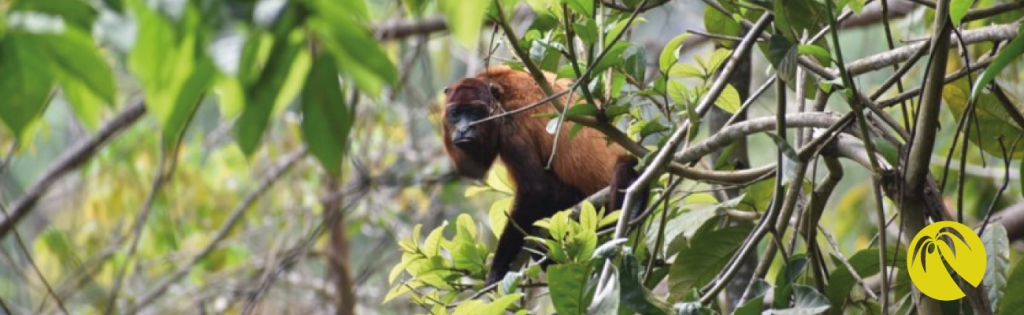
On weekends, I had time off from my internship and we went to explore the country. During that time, I did several cool trips. We went into the jungle a lot to spot animals. Here I saw and even held snakes and tarantulas!
What has stayed with me the most is Kumalu. This is a village far inland. We first had to drive by bus for 4 hours on mud roads, before arriving at Atjoni. Here the roads stopped and you could only go further inland by korjaal (a small boat). With the guides and other students in a korjaal, we had to travel another 4 hours to arrive at Kumalu. Kumalu is in the middle of the jungle, in the centre of Suriname. We stayed 2 nights and got to know the ancient tribes living here. These were people who had once been brought from Africa to Suriname as slaves and were still living here today. It was special to see how primitive these people still live. Cleaning fish and bathing yourself all happened in the river. The people we met in Kumalu lived with their entire families in small huts.
I also went to the Fredberg. Climbing this mountain is a must if you go to Suriname. It was a climb of about 2 hours to get to the top of the mountain. Once on the mountain, you had a great view of the jungle of Suriname. This was truly a beautiful sight! The view during sunrise or sunset is something I won’t soon forget.
I really liked the Surinamese culture, the people are happy with what they have, and have a relaxed and friendly attitude. In addition, the food was also fantastic! Suriname has a good inspection service, which checks the quality of the food being sold. In addition, the Public Health Bureau monitors hygiene in restaurants. We cooked for ourselves most of the time, but also often went to eat roti or Surinamese noodles at a small restaurant on weekends. Whether you can drink the tap water depends a lot on where you are. In our student house, you could drink the water from the tap, in the beginning I was a bit nervous about doing this, but fortunately I didn’t get sick. In the hospital, you couldn’t drink this water and we took bottles of water ourselves.
In short, doing an internship in Suriname is an exceptional experience. The locals are very hospitable, the weather is nice and because most people there speak Dutch it makes you feel right at home.”

Shingles awareness
Dit blog is gepubliceerd op 26 februari 2023
Shingles awareness week
Everyone has probably heard about shingles, but few people know exactly what kind of disease it is and how to recognise shingles. Shingles is a severe disease, according to the Dutch Health Council (GR).
For the first time in the Netherlands, a Shingles Awareness Week will be organised from 27 February to 5 March 2023. By Samenwerkingsverband Pijnpatiënten naar één stem, International Federation on Aging (IFA), the GGD platform and GSK, awareness will be raised about shingles. The aim is to create more awareness with the following media campaign; Shingles has many faces. One in four people will have a story of their own. Share your story (at www.aandachtvoorgordelroos.nl).
In the Netherlands but also in surrounding countries, awareness is raised about the symptoms and the impact that shingles can have on a person’s life.
Because the immune system weakens as a person ages, the risk of getting shingles increases at older age. The virus that causes shingles can suddenly become active again. Anyone who has ever had chickenpox can get it. People usually recover from shingles on their own. Nevertheless, shingles can be very painful and sometimes cause nerve pain that can persist for a long time. This pain can last for months or in some cases years in the form of burning pain or tingling, or hypersensitivity to touch, heat or cold.
www.aandachtvoorgordelroos.nl provides more information about shingles and allows everyone to share their own stories. By sharing stories, shingles becomes relatable to everyone and different experiences and information can be shared.
Prevention of Shingles
A vaccine that helps prevent shingles and nerve pain after shingles is available for people aged 50 and over. This vaccine, called Shingrix, is specifically designed for people who have had chickenpox before. The vaccine contains proteins from the surface of the virus that causes shingles. The vaccine also contains a number of substances that boost the immune system’s response to the virus.
Because the body is able to produce antibodies against the virus more quickly after the vaccination, the risk of developing shingles is significantly reduced. Clinical trials showed Shingrix to be 90% effective in preventing shingles in people over 50 years old. In many countries, Shingrix is widely given to elderly people aged 60+, there have been very good results with this vaccine.
Vaccination reimbursement
If you meet a number of (strict) criteria, a shingles vaccination is covered by basic health insurance. Check with your health insurance company whether the vaccination is (partially) covered.
For more information on vaccination costs, please visit our rates page.
Would you like to book an appointment for a vaccination right away? Call 085 902 03 03.