

The HPV vaccination: Are you protected?
In 2010, a new vaccination was added to the Dutch National Immunization Program: the HPV vaccination. This vaccination protects against the human papillomavirus (HPV). Nearly everyone (80-90% of all people) will be infected with this virus at some point in their life. Usually, you won’t notice it, but in some cases, an HPV infection can lead to cancer. In the Netherlands, this happens to an average of 1,100 women and 400 men each year. To prevent this, you can get vaccinated. Vaccinatiecentrum.nl collaborates with “Samen tegen HPV” to increase knowledge and awareness about HPV and HPV vaccinations.
Who can get vaccinated against HPV?
Initially, the HPV vaccination was only offered to girls. When an HPV infection results in cancer, it is cervical cancer in over 70% of cases. Therefore, the HPV vaccination is primarily known for its ability to prevent this disease. However, an infection with the virus can also lead to other types of cancer, including those of the mouth and throat, anus, penis, vagina, and vulva. Since 2022, the vaccination has also been offered to boys. This way, they are protected against the other types of cancer caused by HPV and contribute to better protection against HPV among the entire population.
Human papillomavirus is sexually transmitted. The more people are protected against the virus, the less it occurs and the less it is transmitted. Therefore, it is important that both girls and boys receive the vaccination.
When can you get vaccinated against HPV?
The HPV vaccination according to the National Immunization Program consists of two shots, with at least six months between them. The invitation for the first shot is sent in the year a child turns 10, but the decision can also be made later. Teenagers up to 18 years old can get vaccinated against HPV for free through the Dutch National Immunization Program.
Additionally, a catch-up campaign started in 2022 to give young adults who have not yet received the vaccination one last chance to get it for free through the Dutch National Immunization Program. Those born after 1996 could get the first shot in 2022 and 2023. The second shot could be received until June 1, 2024. If you were born after 1996 and want to be vaccinated but didn’t get the first shot during the catch-up campaign, you can contact the GGD to discuss the options.
HPV vaccinations for adults
Even at a later age, when you are already sexually active or have had an HPV infection, vaccination can protect you against HPV. Were you born before 1996? Then you can no longer get vaccinated for free through the Dutch National Immunization Program. However, you can get vaccinated at your own expense. You can book an appointment with your GP or a specialist, such as vaccinatiecentrum.nl.
What to expect from the HPV Vaccination?
The HPV vaccination is administered through an injection in your upper arm muscle. Shortly afterward, you may experience some pain or itching around the injection site and muscle pain. Some people experience abdominal pain, headache, fatigue, nausea, or a fever for 1 to 3 days. The HPV vaccination has been administered in the Netherlands since 2010 and no serious side effects have ever been reported during that time.
It is not yet clear how long the protection from the HPV vaccination lasts. However, we do know that the protection lasts at least ten years.
It is important to know that you are not protected against all types of cervical cancer. Therefore, even if you are vaccinated, it’s important to participate in the cervical cancer screening program from the age of 30.
The Gardasil 9 HPV vaccination
Vaccinatiecentrum.nl offers the Gardasil 9 HPV vaccination. This protects against more types of HPV than the vaccination administered by the Dutch National Immunization Program; it covers the most common high-risk HPV types as well as the most common low-risk HPV types.
Get the HPV vaccination at vaccinatiecentrum.nl
Do you want to get vaccinated against HPV? You can schedule an appointment with vaccinatiecentrum.nl
Want to know more about the vaccination or book an appointment right away? Contact us at info@vaccinatiecentrum.nl or call 085-9020303. One of our vaccination experts will assist you.
Good news for travellers: the dengue vaccine is now available
A vaccine has recently become available against one of the diseases you can contract in tropical regions: dengue. This means you can now do more to protect yourself than just the standard measures you should take to prevent mosquito bites. A reassuring thought when you travel. In this blog, we answer all your questions about this vaccine.
What is dengue and where is it prevalent?
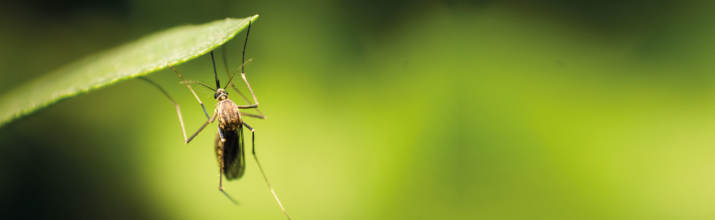
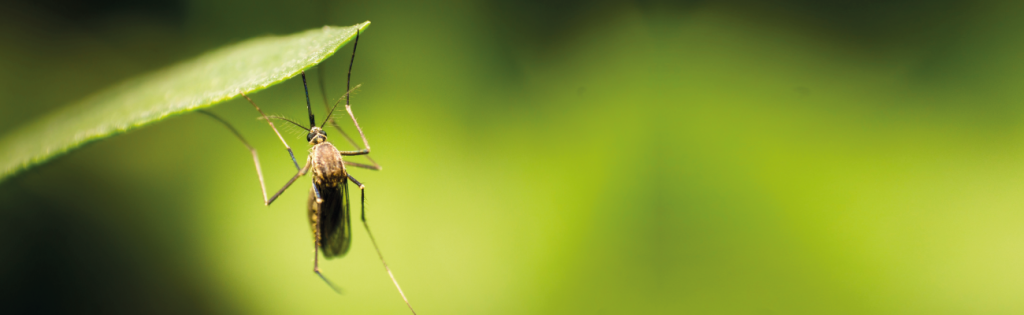
Dengue or dengue fever is a disease caused by the dengue virus, which is transmitted by the yellow fever mosquito and the Asian tiger mosquito, among others. These mosquitoes are found in (sub)tropical areas, such as the Caribbean, Africa, Southeast Asia and Central and South America. When travelling to any of these areas, it is wise to take preventive measures.
What happens if you contract dengue?
When you are bitten by a mosquito carrying the dengue virus, it does not necessarily mean that you will get sick. In fact, usually people do not develop any symptoms. When they do, symptoms appear within three to 14 days of infection. The symptoms you may then develop resemble those of the flu. These include coughing, sudden spikes in fever, sore throat, headache, muscle pain, joint pain, nausea and vomiting. in most cases, the symptoms subside within a few days to a week. Generally, people have few long-term symptoms from a dengue infection other than the memory of a holiday that went down the drain. In some cases, however, the disease progresses more severely. When a dengue infection is more severe, you will notice dark red spots on the skin and bleeding from the gums, heart, nose, liver and intestines. This bleeding can be so severe as to cause what is known as dengue shock syndrome, which can lead to death.
Here’s how to prevent a dengue virus infection
A dengue virus infection not only messes up your travel plans, it also carries major risks, as you have read above. Fortunately, there are measures you can take to reduce the risk of infection. There are also measures you can take to reduce the chances of getting seriously ill in case you do get infected.
Preventive measures against mosquitoes
Preventing infection is, of course, the most important thing you can do. In the case of dengue, this means taking anti-mosquito measures. The mosquitoes that transmit dengue are mostly active during the day, so make sure you wear clothes that cover your body as much as possible and apply mosquito repellent, such as DEET. Do this at night too and sleep under an impregnated mosquito net. In dengue-prone areas, there are often other mosquitoes that are active at night, such as the mosquito that spreads the malaria virus. So protect yourself against mosquito bites day and night.
The dengue vaccine
Nowadays, a vaccine is also available that prevents dengue altogether or prevents the disease from becoming severe. The dengue vaccine is mainly intended for people who have had dengue before. Usually the first infection is mild, but with the second or third infection you have a higher risk of becoming very ill. As a result, anti-mosquito measures are especially important for these individuals, combined with the dengue vaccine as extra protection against a severe course of illness.
The dengue vaccine is a live attenuated vaccine consisting of two doses, which must be given at least three months apart. Up to three days after the vaccination, you may experience fever, head and muscle aches, fatigue and pain or redness at the site where the vaccination was administered. You may also experience mild symptoms similar to dengue symptoms, such as headache, joint pain and skin rash, 7 to 14 days after the vaccination. If you have never had dengue before, you will experience more side effects than if you have been infected before. The second dose usually gives much fewer side effects.
As it is a new vaccine, it is not yet known how long the vaccine offers protection.
Are you going to travel? Discuss the dengue vaccine and other travel vaccines with vaccinatiecentrum.nl
Planning a nice trip? Contact vaccinatiecentrum.nl right away to find out, together with our travel nurses, which health measures are best for you. For example, if you are going to an area where dengue is present and you have had it before, it is wise to get vaccinated. As the vaccine consists of two doses that must be given at least three months apart, it is important to contact us well in advance. For personalised travel advice, book an appointment via info@vaccinatiecentrum.nl, call 085-9020303 or book an appointment.