
Vaccinations and travel advice for long distance travel with children

Travelling long distances with children is a wonderful adventure. Discovering new cultures together, making memories and seeing the world through your child’s eyes — it’s special and incredibly valuable. At the same time, travelling with children can bring slightly different challenges compared to travelling with adults, especially when it comes to health and safety.
The immune system of children is still developing. As a result, (tropical) infectious diseases can often be more severe in children. That’s exactly why good preparation is especially important. At vaccinatiecentrum.nl, we are happy to think along with you, so you can travel with peace of mind.
Vaccinations: personalised protection
For long distance travel, vaccinations are an essential part of the preparation. Many vaccinations given to adults are also suitable for children, sometimes in an adjusted dosage or with a different method of administration. We also check the timing in relation to the National Immunisation Programme and assess whether the duration of protection or general indication differs.
Every child is different, which is why we always provide personalised advice. We recommend visiting us at least six weeks before departure. This allows enough time for any follow-up vaccinations and ensures that vaccines have sufficient time to work optimally before travel.
Injections and anxiety: we take our time
For some children, injections can be quite stressful. Fear of pain, loss of control or simply the unknown can cause a lot of tension. We understand that very well. That’s why at vaccinatiecentrum.nl we take our time and ensure a calm, child-friendly approach.
For severe needle anxiety, special options are available, such as a needle anxiety consultation. With tools like the Buzzy or ShotBlocker, we can help reduce the sensation of pain. Feel free to contact us. We are happy to explain the options in more detail.
Mosquitoes: small insect, big risk
At many long distance destinations, mosquitoes can transmit diseases such as malaria, dengue and zika. Young children are particularly vulnerable to these illnesses, making good mosquito protection crucial.
It is important to know that mosquito repellents containing DEET may need to be used in adjusted concentrations for children. In some situations, such as travel to high-risk malaria areas with children under five years old, travel may even be discouraged. During a (telephone) consultation, we discuss this thoroughly and honestly, so you can make a well-informed decision.
Dehydration and the travel health kit
Young children are more sensitive to dehydration than adults, especially in warm climates. Drinking enough fluids is essential to maintain a healthy water and salt balance. Traveller’s diarrhoea is common and must be treated quickly and appropriately in children.
A well-prepared travel health kit is therefore vital. Think of oral rehydration salts (ORS) to prevent dehydration, as well as sufficient sun protection to protect children’s sensitive skin from sunburn.
Setting off on an adventure with peace of mind
Travelling with young children sometimes requires a bit more preparation. But with the right advice, appropriate vaccinations and a well-equipped travel health kit, you can set off with confidence.
Make an appointment well in advance at vaccinatiecentrum.nl for personalised travel advice for your child. That way, you’ll depart well protected and can focus on enjoying the adventure together.
Schedule a telephone call or appointment by calling 085 902 03 03, or make an appointment right away via this link. We hope to see you soon!
Is a summer holiday in Europe without any risks?

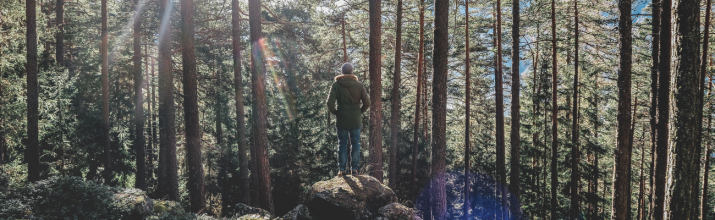
Summer is almost here and I can tell from everyone around me! Many people are really looking forward to a holiday. And to be honest, I am too. Strolling through an unknown city and visiting local markets. Baking on the beach, while all kinds of vendors try to sell me fake Louis Vuitton stuff. Or how about exploring the beautiful nature with hiking and cycling tours through Eastern Europe? I am really looking forward to that.
Or back to basics in a tent on a campsite in the middle of nature in the Czech Republic or Hungary to relax for a while.
You don’t have to travel far to immerse yourself in a beautiful new environment. There is more than enough to do and see in Europe. An added advantage? You can easily visit many European destinations with your own car. Ideal if you don’t feel like waiting in long queues at the airports, you want to take your own bike or you don’t want to worry about whether your luggage stays within the weight limits.
This blog was published on May 3, 2021, written by one of our travel nurses and updated on June 19, 2025.
Health risks in Europe
But what about the health risks when you go on holiday in Europe? You would think that a holiday in Europe would not be much different from our own little country. But that is not true. It is precisely the holidaymakers who want to explore European nature this summer who have some risks.
There is that one annoying creature that can carry a number of viruses: the tick. Ticks can transmit these viruses to people. The most well-known disease that you can get from ticks is Lyme disease. But there are also other diseases that can develop after a tick bite. One that not many people are familiar with is the FSME/TBE virus. If you contract this virus, it can have serious consequences. It can cause brain (meningeal) inflammation. And then you are figuratively, but perhaps also literally, far from home. Fortunately, this virus is almost non-existent in the Netherlands, but there are many countries in Europe where this risk is greater.
When are you at risk of FSME/TBE?
There is a good chance that you will go out during your holiday to explore your travel destination. When walking through nature reserves, but also during bike rides or other activities, there is a very high chance of being bitten by a tick. Especially when you are wearing short clothing. You do not realize when it happens and when you find out that there is a tick, it has already bitten itself.
In addition to lovers of activities in nature, there are other people who are at increased risk of a tick bite, for example bird watchers and campers. They spend a lot of time in nature and therefore have an increased risk of being bitten by a tick.
In addition, ticks can also be found in gardens and parks. So having a nice picnic in the city is not without risk. If you are going to undertake these types of activities in the risk area of FSME/TBE, there is a chance that you will become infected with the virus.
How to prevent infection with the FSME/TBE virus
Fortunately, there are preventive measures against the FSME/TBE virus. There is a vaccine against it. For more information about this vaccine and the virus, take a look at our information page about FSME/TBE. With a series of three vaccinations, you are protected for three years.
If you then take a booster vaccination that ensures that your immune system starts producing antibodies again, you are protected for five years.
This vaccination does not protect against other viruses that ticks can transmit. You must therefore still take extra measures to prevent a tick bite. It is wise to wear covering clothing when you are in nature to ensure that ticks cannot bite. Applying DEET, an insect repellent, also helps to prevent tick bites.
These measures do not provide 100% protection against tick bites. It is therefore important to check yourself for tick bites every day if you have been at risk of a tick bite.
More information about health risks during your summer holiday in Europe?
Do you want to know whether your holiday destination entails risks? Then it is wise to check the sites www.lcr.nl and https://www.nederlandwereldwijd.nl/reizen/reisadviezen. There, advice is given per country about which vaccinations you need and what risks there are.
If you have any more questions about vaccinations or health risks while travelling, please feel free to contact us. We are happy to help you! Because being well prepared for your trip is half the battle!