

Is a summer holiday in Europe without any risks?

Summer is almost here and I can tell from everyone around me! Many people are really looking forward to a holiday. And to be honest, I am too. Strolling through an unknown city and visiting local markets. Baking on the beach, while all kinds of vendors try to sell me fake Louis Vuitton stuff. Or how about exploring the beautiful nature with hiking and cycling tours through Eastern Europe? I am really looking forward to that.
Or back to basics in a tent on a campsite in the middle of nature in the Czech Republic or Hungary to relax for a while.
You don’t have to travel far to immerse yourself in a beautiful new environment. There is more than enough to do and see in Europe. An added advantage? You can easily visit many European destinations with your own car. Ideal if you don’t feel like waiting in long queues at the airports, you want to take your own bike or you don’t want to worry about whether your luggage stays within the weight limits.
This blog was published on May 3, 2021, written by one of our travel nurses and updated on June 19, 2025.
Health risks in Europe
But what about the health risks when you go on holiday in Europe? You would think that a holiday in Europe would not be much different from our own little country. But that is not true. It is precisely the holidaymakers who want to explore European nature this summer who have some risks.
There is that one annoying creature that can carry a number of viruses: the tick. Ticks can transmit these viruses to people. The most well-known disease that you can get from ticks is Lyme disease. But there are also other diseases that can develop after a tick bite. One that not many people are familiar with is the FSME/TBE virus. If you contract this virus, it can have serious consequences. It can cause brain (meningeal) inflammation. And then you are figuratively, but perhaps also literally, far from home. Fortunately, this virus is almost non-existent in the Netherlands, but there are many countries in Europe where this risk is greater.
When are you at risk of FSME/TBE?
There is a good chance that you will go out during your holiday to explore your travel destination. When walking through nature reserves, but also during bike rides or other activities, there is a very high chance of being bitten by a tick. Especially when you are wearing short clothing. You do not realize when it happens and when you find out that there is a tick, it has already bitten itself.
In addition to lovers of activities in nature, there are other people who are at increased risk of a tick bite, for example bird watchers and campers. They spend a lot of time in nature and therefore have an increased risk of being bitten by a tick.
In addition, ticks can also be found in gardens and parks. So having a nice picnic in the city is not without risk. If you are going to undertake these types of activities in the risk area of FSME/TBE, there is a chance that you will become infected with the virus.
How to prevent infection with the FSME/TBE virus
Fortunately, there are preventive measures against the FSME/TBE virus. There is a vaccine against it. For more information about this vaccine and the virus, take a look at our information page about FSME/TBE. With a series of three vaccinations, you are protected for three years.
If you then take a booster vaccination that ensures that your immune system starts producing antibodies again, you are protected for five years.
This vaccination does not protect against other viruses that ticks can transmit. You must therefore still take extra measures to prevent a tick bite. It is wise to wear covering clothing when you are in nature to ensure that ticks cannot bite. Applying DEET, an insect repellent, also helps to prevent tick bites.
These measures do not provide 100% protection against tick bites. It is therefore important to check yourself for tick bites every day if you have been at risk of a tick bite.
More information about health risks during your summer holiday in Europe?
Do you want to know whether your holiday destination entails risks? Then it is wise to check the sites www.lcr.nl and https://www.nederlandwereldwijd.nl/reizen/reisadviezen. There, advice is given per country about which vaccinations you need and what risks there are.
If you have any more questions about vaccinations or health risks while travelling, please feel free to contact us. We are happy to help you! Because being well prepared for your trip is half the battle!

Do you work in childcare or healthcare with small children? Get vaccinated!

The whooping cough vaccine has been offered to all children in the Netherlands through the National Vaccination Program since 1953. The vaccination rate is above 90%, so the chance that you have been vaccinated against this disease is very high. However, an advisory report recently appeared from the Health Council recommending that people who work with small children be offered a whooping cough vaccination. We will explain why in this blog.
Why vaccinate against whooping cough?
Whooping cough is extremely contagious and is especially dangerous for babies. Adults usually dont get very sick, but can still carry the virus. Babies are vaccinated three times before their first birthday, when they are three, five and eleven months old. This means that they are not yet protected in their first three months of life. And although the first injection really makes a difference, the protection is only complete once all three vaccinations have been received.
In order to protect babies during those first months, an additional vaccine has been offered to pregnant women since 2019. This DKT injection, also known as the 22-week injection, ensures that babies are also protected against diphtheria, whooping cough and tetanus in their first three months. For the mother herself, this works as a booster of the vaccinations she already had as a child. But not all mothers take this injection; currently around 70% get the 22-week injection. Their children will then receive the DTP-Hib-HepB vaccination as soon as they are two months old.
Extra protection for young children
Despite this extra vaccination for pregnant women, it is wise to take additional protective measures. Some children have received fewer antibodies from their mother, for example because they were born prematurely. Some mothers have not received the booster shot. And although the booster vaccine helps, the protection against whooping cough is not yet complete. This is only the case when the child itself has been fully vaccinated.
For this reason, it is now recommended that people who work with young children, for example in healthcare or childcare, be offered an extra whooping cough vaccine. This vaccine is not for their own protection, but for that of the children they care for. The consequences of a whooping cough infection can be very serious for these children and it is in the interest of all of us to prevent the spread of this disease as much as possible.
Why is whooping cough an issue again?
We have been vaccinating against whooping cough since 1953 through the National Vaccination Programme. However, in recent years we have seen the number of infections increase again. Since 1996, this is partly because the structure of the bacteria changed around that time, which means that the vaccine works slightly less well. As a result, people who have been vaccinated can also become ill.
During the pandemic, the number of infections was much lower. This makes sense, because the measures that were taken at the time to prevent corona infection are also effective in preventing the transmission of other diseases, including whooping cough. As a result, fewer people built up immunity to whooping cough during the pandemic. That is one of the explanations why the number of infections is now higher. That makes it even more important to take extra steps to protect ourselves, and children, against this disease.
Who should consider the vaccination and how do you get it?
The Health Council believes that employers should offer the whooping cough vaccine to their employees. This includes anyone who regularly works with children under six months of age. These include midwives, childcare workers, doctors, nurses and maternity care workers.
Do you fall into this target group? You may soon receive information from your employer about how this will be offered at your workplace. For example, you will hear where and when you can get the vaccination. Sometimes this is provided at your workplace, sometimes employers make arrangements with a vaccination centre. The vaccine is always administered by a qualified healthcare professional. In order to provide optimal protection, the whooping cough vaccine must be repeated every five years. Is there no policy at your workplace yet? Then ask your employer about it.
Whooping cough vaccination at vaccinatiecentrum.nl
You can contact vaccinatiecentrum.nl with all your vaccination questions, our nurses will be happy to help you. The booster vaccine against whooping cough consists of one injection. Have you not reveived a whooping cough vaccine before, including the DTP vaccination? Then you need three vaccines with a total of at least seven months between them. Our nurses will think along with you and will give you personal advice based on your health, vaccination history and preferences.
Are you an employer and do you want to offer the whooping cough vaccine to your employees? Then contact us to discuss the possibilities.
Published at 11 december 2024.

The HPV vaccination: Are you protected?
In 2010, a new vaccination was added to the Dutch National Immunization Program: the HPV vaccination. This vaccination protects against the human papillomavirus (HPV). Nearly everyone (80-90% of all people) will be infected with this virus at some point in their life. Usually, you won’t notice it, but in some cases, an HPV infection can lead to cancer. In the Netherlands, this happens to an average of 1,100 women and 400 men each year. To prevent this, you can get vaccinated. Vaccinatiecentrum.nl collaborates with “Samen tegen HPV” to increase knowledge and awareness about HPV and HPV vaccinations.
Who can get vaccinated against HPV?
Initially, the HPV vaccination was only offered to girls. When an HPV infection results in cancer, it is cervical cancer in over 70% of cases. Therefore, the HPV vaccination is primarily known for its ability to prevent this disease. However, an infection with the virus can also lead to other types of cancer, including those of the mouth and throat, anus, penis, vagina, and vulva. Since 2022, the vaccination has also been offered to boys. This way, they are protected against the other types of cancer caused by HPV and contribute to better protection against HPV among the entire population.
Human papillomavirus is sexually transmitted. The more people are protected against the virus, the less it occurs and the less it is transmitted. Therefore, it is important that both girls and boys receive the vaccination.
When can you get vaccinated against HPV?
The HPV vaccination according to the National Immunization Program consists of two shots, with at least six months between them. The invitation for the first shot is sent in the year a child turns 10, but the decision can also be made later. Teenagers up to 18 years old can get vaccinated against HPV for free through the Dutch National Immunization Program.
Additionally, a catch-up campaign started in 2022 to give young adults who have not yet received the vaccination one last chance to get it for free through the Dutch National Immunization Program. Those born after 1996 could get the first shot in 2022 and 2023. The second shot could be received until June 1, 2024. If you were born after 1996 and want to be vaccinated but didn’t get the first shot during the catch-up campaign, you can contact the GGD to discuss the options.
HPV vaccinations for adults
Even at a later age, when you are already sexually active or have had an HPV infection, vaccination can protect you against HPV. Were you born before 1996? Then you can no longer get vaccinated for free through the Dutch National Immunization Program. However, you can get vaccinated at your own expense. You can book an appointment with your GP or a specialist, such as vaccinatiecentrum.nl.
What to expect from the HPV Vaccination?
The HPV vaccination is administered through an injection in your upper arm muscle. Shortly afterward, you may experience some pain or itching around the injection site and muscle pain. Some people experience abdominal pain, headache, fatigue, nausea, or a fever for 1 to 3 days. The HPV vaccination has been administered in the Netherlands since 2010 and no serious side effects have ever been reported during that time.
It is not yet clear how long the protection from the HPV vaccination lasts. However, we do know that the protection lasts at least ten years.
It is important to know that you are not protected against all types of cervical cancer. Therefore, even if you are vaccinated, it’s important to participate in the cervical cancer screening program from the age of 30.
The Gardasil 9 HPV vaccination
Vaccinatiecentrum.nl offers the Gardasil 9 HPV vaccination. This protects against more types of HPV than the vaccination administered by the Dutch National Immunization Program; it covers the most common high-risk HPV types as well as the most common low-risk HPV types.
Get the HPV vaccination at vaccinatiecentrum.nl
Do you want to get vaccinated against HPV? You can schedule an appointment with vaccinatiecentrum.nl
Want to know more about the vaccination or book an appointment right away? Contact us at info@vaccinatiecentrum.nl or call 085-9020303. One of our vaccination experts will assist you.
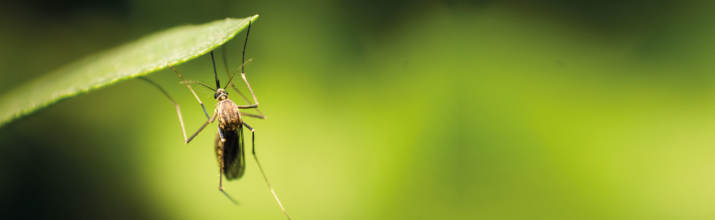
Good news for travellers: the dengue vaccine is now available
A vaccine has recently become available against one of the diseases you can contract in tropical regions: dengue. This means you can now do more to protect yourself than just the standard measures you should take to prevent mosquito bites. A reassuring thought when you travel. In this blog, we answer all your questions about this vaccine.
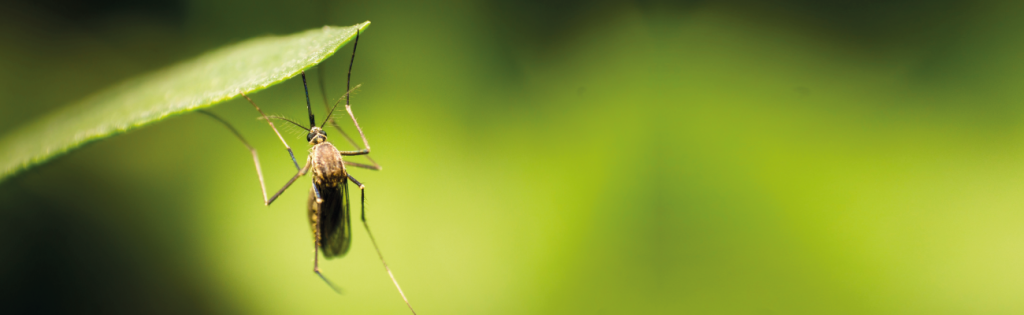
What is dengue and where is it prevalent?
Dengue or dengue fever is a disease caused by the dengue virus, which is transmitted by the yellow fever mosquito and the Asian tiger mosquito, among others. These mosquitoes are found in (sub)tropical areas, such as the Caribbean, Africa, Southeast Asia and Central and South America. When travelling to any of these areas, it is wise to take preventive measures.
What happens if you contract dengue?
When you are bitten by a mosquito carrying the dengue virus, it does not necessarily mean that you will get sick. In fact, usually people do not develop any symptoms. When they do, symptoms appear within three to 14 days of infection. The symptoms you may then develop resemble those of the flu. These include coughing, sudden spikes in fever, sore throat, headache, muscle pain, joint pain, nausea and vomiting. in most cases, the symptoms subside within a few days to a week. Generally, people have few long-term symptoms from a dengue infection other than the memory of a holiday that went down the drain. In some cases, however, the disease progresses more severely. When a dengue infection is more severe, you will notice dark red spots on the skin and bleeding from the gums, heart, nose, liver and intestines. This bleeding can be so severe as to cause what is known as dengue shock syndrome, which can lead to death.
Here’s how to prevent a dengue virus infection
A dengue virus infection not only messes up your travel plans, it also carries major risks, as you have read above. Fortunately, there are measures you can take to reduce the risk of infection. There are also measures you can take to reduce the chances of getting seriously ill in case you do get infected.
Preventive measures against mosquitoes
Preventing infection is, of course, the most important thing you can do. In the case of dengue, this means taking anti-mosquito measures. The mosquitoes that transmit dengue are mostly active during the day, so make sure you wear clothes that cover your body as much as possible and apply mosquito repellent, such as DEET. Do this at night too and sleep under an impregnated mosquito net. In dengue-prone areas, there are often other mosquitoes that are active at night, such as the mosquito that spreads the malaria virus. So protect yourself against mosquito bites day and night.
The dengue vaccine
Nowadays, a vaccine is also available that prevents dengue altogether or prevents the disease from becoming severe. The dengue vaccine is mainly intended for people who have had dengue before. Usually the first infection is mild, but with the second or third infection you have a higher risk of becoming very ill. As a result, anti-mosquito measures are especially important for these individuals, combined with the dengue vaccine as extra protection against a severe course of illness.
The dengue vaccine is a live attenuated vaccine consisting of two doses, which must be given at least three months apart. Up to three days after the vaccination, you may experience fever, head and muscle aches, fatigue and pain or redness at the site where the vaccination was administered. You may also experience mild symptoms similar to dengue symptoms, such as headache, joint pain and skin rash, 7 to 14 days after the vaccination. If you have never had dengue before, you will experience more side effects than if you have been infected before. The second dose usually gives much fewer side effects.
As it is a new vaccine, it is not yet known how long the vaccine offers protection.
Are you going to travel? Discuss the dengue vaccine and other travel vaccines with vaccinatiecentrum.nl
Planning a nice trip? Contact vaccinatiecentrum.nl right away to find out, together with our travel nurses, which health measures are best for you. For example, if you are going to an area where dengue is present and you have had it before, it is wise to get vaccinated. As the vaccine consists of two doses that must be given at least three months apart, it is important to contact us well in advance. For personalised travel advice, book an appointment via info@vaccinatiecentrum.nl, call 085-9020303 or book an appointment.
This is how you can travel without worry with a medical condition
Good preparation is essential for everyone to travel carefree. If you have a medical condition, you may need to take extra precautions or take a slightly different approach during your preparations. In this blog you will read how to best prepare for your trip if you have a medical condition.
General travel tips for travellers with a medical condition
To begin with, there are many different types of medical conditions and within those, the severity of the condition can also vary from one person to another. As a result, your experience may be different from other people’s. For this reason, the travel nurse at vaccinatiecentrum.nl will always assess with you which vaccines and other precautions are best suited to your situation. If in doubt about the health risks at your destination and how you can deal with them, always consult your doctor or specialist.
On our website, you will find special pages with extra travel advice for travellers with specific medical conditions. That overview of medical conditions can be found here. In this blog you will read the general advice that applies to almost everyone with a medical condition.
Choose your destination thoughtfully
Depending on the severity of your medical condition, it may be wise to involve your doctor early on in your planning process, for instance while choosing your travel destination. One reason for this is that some countries require you to be vaccinated with a live attenuated vaccine (e.g., the yellow fever vaccine). If you have to take immunosuppressive medication you cannot get these types of vaccines. There is also a risk that the vaccines you can get may not work as well if you are taking immunosuppressive medication. This increases the risk of contracting the disease.
Therefore, check which diseases are common in the areas you might want to travel to and see if you can safely take the vaccines recommended for these areas. If not, it’s better to choose a different travel destination.
Check your travel insurance policy
Have you already got travel insurance? If you need medical care during your trip, it is reassuring to know that the costs will be covered. That way, you won’t be faced with unpleasant surprises afterwards in the form of a high bill. Before you travel, always check that your travel insurance will cover the cost of any unexpected things that might happen in relation to the risks you face during your trip.
Make sure you are allowed to take your medication with you
Many medications are not allowed to be taken abroad, especially if they fall under the Opium Act. Therefore, check the CAK website to see what rules apply to the medication you need during your trip. You may need to bring a medicine declaration and/or Schengen declaration or contact the embassy to find out exactly what the rules are. Do this not only for the country you are travelling to, but also for all countries you travel through. If it turns out that you need a medication declaration and/or Schengen declaration, you should apply for these in time. CAK recommends doing this no later than four weeks before departure. Important to know: for medication covered by the Opium Act, you must always arrange a Schengen declaration. This is required even when travelling to Germany or Belgium.
Take a travel medicine kit with you
Because of your medical condition, you may be at an increased risk of getting sick and developing complications. Therefore, it is wise for you to take a small travel medicine kit with you, so that you have the most important medication you may need during your trip at hand. A travel medicine kit may include:
- Condoms
- DEET or other insect repellent
- Impregnated mosquito net
- Diarrhoea inhibitors
- First-aid kit
- Medication to relieve itching after mosquito or jellyfish bites
- Medication for seasickness, car sickness or air sickness
- Disinfectant
- ORS
- Paracetamol
- Tick tweezers
- Thermometer (preferably digital)
- Sunscreen
And, of course, any medication you need to take because of your medical condition or need to have on hand for emergencies. Sometimes it is wise to take additional medication with you when you travel, such as malaria pills. During a travel consultation at vaccinatiecentrum.nl, we will discuss whether this is necessary for you and write the prescription for this medication.
Get your vaccinations well in advance
Once you have chosen a destination, it is best to contact vaccinatiecentrum.nl as soon as possible for a consultation. During the consultation, one of our travel nurses will look with you at which vaccines you need and what medication you want to take with you on your trip. Some vaccines consist of multiple vaccinations that require a certain amount of time in between, for this reason it is important to arrange this well in advance. In some cases, a blood test is needed to determine whether you are actually protected against certain diseases. Again, it is advisable to book an appointment in time!
Make sure you have a plan for emergencies
You usually assume that your trip will not be disrupted by medical problems, but it is wise to have a plan in case something does happen. For example, find out which hospitals are near your travel destination and make sure you have the address details at hand. Also bring the contact details of your own doctor and consider bringing an explanation of your medical condition in English. Should something happen that requires medical attention and you are unable to explain your medical condition yourself at the time, your travel companions can hand over the written explanation.
Enjoy your trip!
If you are well prepared you will travel with peace of mind. Vaccinatiecentrum.nl is happy to help you prepare. Together we will ensure that, despite your medical condition, you will travel and return as healthy as possible. Book an appointment for a travel consultation as soon as possible so we can take the necessary measures on time.
This blog was published on 5 December 2023.
10 common illnesses while traveling
Getting sick during your holiday is something you shouldn’t even think about. That is precisely why it is important to consider this when preparing for your trip, so that you can reduce the risk of contracting travel diseases as much as possible. In this blog we share ten diseases that are common when traveling and what you can do to get through your holiday healthy.
1. Traveler’s diarrhea
Traveler’s diarrhea is the most common illness that people can contract during their travels. You then suddenly get watery stools and often abdominal cramps. Sometimes you also vomit and get a fever. About a third of all travelers to (sub)tropical areas become infected during their trip. You ingest the bacteria that cause traveler’s diarrhea through contaminated food and drinks.
Contamination can never be completely prevented, but you significantly reduce the risk if you only drink from bottles that you have opened yourself. So do not drink tap water or drinks from bottles that have already been opened and do not take ice cubes. Coffee and tea are fine, as long as the water used to brew them is properly boiled. If you wash fruit and vegetables with contaminated water, you can still become infected, so be careful and preferably only eat fried and boiled food.
2. Respiratory tract infections
Respiratory infections are caused by viruses or bacteria. Two well-known respiratory infections are colds and flu. You become infected by breathing in the pathogens. Sometimes people also get sick when they have had the air conditioning on for a long time. This can happen if the air conditioning is not properly cleaned and maintained. If a source of infection arises, the pathogens will easily reach anyone who breathes the cooled air.
Don’t feel like catching the flu or cold during your trip? Boost your immune system by eating enough fruit and vegetables (but be careful not to risk traveller’s diarrhea). And does the air conditioning in your travel accommodation look like it could use some maintenance? Then try to survive the heat without air conditioning.
3. Cystitis
A bladder infection mainly occurs in women and is characterized by frequent urination, but urinating small amounts can cause pain. The bacteria that usually cause bladder infections live in everyone’s intestines. Sex, drinking too little, not emptying the bladder completely and waiting too long before urinating increase the risk of infection. Because people often drink too little while traveling or cannot always go to the toilet immediately when they feel the urge, the risk of a bladder infection during a trip is sometimes greater.
That is why the standard advice to prevent a bladder infection also applies during your trip: urinate as soon as you feel the urge or after you have had sex, always urinate completely empty and make sure you drink enough (two to three liters per day).
4. Typhoid fever
Typhoid fever is a contagious intestinal disease that occurs all over the world, but mainly in parts of Asia and Africa. The bacteria that cause the disease are found in the blood, urine and feces of an infected person, who passes on the bacteria by, for example, not washing their hands properly after visiting the toilet. Food, drinks, door handles and other surfaces that the person touches can then pass the bacteria on to others. It takes one to two weeks before you become ill after an infection. You may then experience fever, abdominal pain, headache, red spots, loss of appetite, constipation and sometimes diarrhea.
The measures against typhoid fever are partly the same as the measures against traveler’s diarrhea: only eat cooked or fried food and only drink from bottles that you open yourself. You can take an additional protective measure against typhoid fever: the typhoid vaccine. With one injection you are 60 to 70% protected against serious complications from typhoid fever for three years.
5. Hepatitis A
Hepatitis A is an inflammation of the liver, the virus of which spreads through the feces of infected people and the things they touch if they have not washed their hands properly after going to the toilet. The disease mainly occurs in the Mediterranean region, especially in Egypt and Turkey. After an infection, you may feel ill and may develop fever, nausea, abdominal complaints and a loss of appetite. After a few days, additional complaints arise.
You prevent infection with hepatitis A by washing your hands often and thoroughly. You can also get vaccinated. One vaccine provides protection for one year. If you also get a second vaccine, you will be protected for forty years. You can also opt for a combined vaccine that also protects against the next disease on this list: hepatitis B.
6. Hepatitis B
Hepatitis B is a liver inflammation caused by a virus that occurs all over the world. The virus spreads through semen, pre-cum, vaginal fluid and blood, so you can contract it through unsafe sex or through contact with infected blood. This does not have to be direct blood contact; You can also become infected if you use the same needle as someone with hepatitis B. You can become ill two to three months after infection. You notice this in fatigue, fever and jaundice. Sometimes life-threatening complications can occur and in some cases the disease is chronic.
You prevent infection with hepatitis B by only having sex with a condom and being careful with needles. Don’t get tattoos, piercings or beauty treatments that use needles if you have any doubts about the hygiene standards at your travel destination. You can also get vaccinated. If you receive the three doses of this vaccination at the right times, you will be protected for life. You can opt for a combination vaccine that also offers protection against hepatitis A.
7. Tetanus
Tetanus is also popularly called the ‘street dirt’ bacteria. The Tetanus bacterium occurs almost everywhere in the world and can be contracted through an injury to the skin, for example from a fall on the street, from stepping on a rusty nail or from the bite of an animal. It takes an average of 3-21 days before you develop symptoms of Tetanus, but it could also take longer. The complaints start with stiffness and muscle cramps, followed by breathing problems and swallowing problems. Untreated, one can die from Tetanus.
You can prevent Tetanus by vaccination with the Tetanus vaccine, this can be done preventively or as soon as possible after risk contact. The DtP vaccine is recommended for travelers, this vaccine also protects against Tetanus and Diphtheria and Polio. The vaccine provides protection for 10 years and is also included in the National Vaccination Program.
8. Malaria
Malaria is transmitted by mosquitoes and cannot be transmitted from person to person. The mosquitoes that can transmit malaria are found in Asia, South America and Africa. You usually become ill ten to fourteen days after the infection. You then get a flu-like feeling, fever, chills, muscle pain and headache. You also get fever attacks, which return every 48 to 72 hours, depending on which parasite you have.
There is currently no malaria vaccine, although we are working hard on it. That is why you will especially have to take measures against mosquito bites during your trip to protect yourself. Wear covering clothing, apply mosquito repellent and sleep under an impregnated mosquito net. To be able to intervene quickly if you do get mosquito bites, you can get malaria pills to take with you during your trip. In South America and most of Asia, you only take these pills if you have complaints associated with malaria for two days or when a blood test shows that you have malaria. In most of Africa it is wise to take malaria pills as a preventive measure, even if you have no problems.
9. Dengue fever
Dengue fever or dengue is a viral infection that you can contract through a mosquito bite. The mosquitoes that spread the virus are mainly found in subtropical areas, such as Africa, the Caribbean, Central and South America and Southeast Asia. Usually you will not get any complaints, but if you do, you will notice it after three to fourteen days. The symptoms are similar to those of the flu, such as fever spikes, headache, nausea, vomiting, sore throat, coughing and muscle and joint pain. Sometimes serious complications can arise.
You prevent infection by taking mosquito measures as we described above in preventing malaria. Unlike malaria, there is a vaccine for dengue fever. This vaccine consists of two doses that must be separated by at least three months. It is not yet known exactly how long this vaccine will provide protection. Since it is a live attenuated vaccine, you may experience side effects, especially after the first dose.
10. Chikungunya
Chikungunya is a viral infection that can be contracted through mosquito bites. The mosquitoes that spread this virus are found in Asia, Africa, the Caribbean, Central and South America and Southern Europe. You can become ill within one to twelve days after the mosquito bite, which is noticeable in fever, muscle and joint pain, nausea and fatigue. Most people get better after two weeks and are then protected against the virus for life, but in some cases joint complaints persist for a long time.
In contrast to the mosquitoes that transmit malaria and dengue fever, the mosquito that transmits chikungunya is mainly active during the day. Therefore, take anti-mosquito measures not only at night, but also during the day. Wear covering clothing, apply mosquito repellent and lie under a mosquito net during the day if you want to take a nap. There is no vaccine yet against chikungunya.
Well prepared for your trip with tailor-made travel advice
You now know what the most common travel diseases are and what you can do about them. However, this list includes the diseases that are most common around the world. This may be different in your destination country. For example, in Eastern Europe you don’t have to worry so much about typhoid fever, but you do run the risk of FSME/TBE if you plan to go into nature. The measures you can take to travel and return home as healthily as possible also depend on your own health and what you want to do during your trip.
That is why our travel nurses always talk to you first, so that we can prepare tailor-made travel advice together. You can get the vaccinations included here at vaccinatiecentrum.nl. We also arrange prescriptions for any travel medication, such as malaria pills.
Is there a trip planned? Some vaccinations consist of multiple doses with a certain waiting time between them. Therefore, book an appointment well in advance at vaccinatiecentrum.nl, so that together we can ensure that you are well prepared for your trip.
Dit blog is gepubliceerd op 1 november 2023.





Internship in Suriname

Dit blog is gepubliceerd op 30 maart 2023
Our intern Nina is studying at HAN university of applied sciences to get her bachelor’s degree in nursing. For her minor, she travelled to Suriname to do an internship at the Academic Hospital of Paramaribo.
Nina says: “while studying nursing, I travelled to Suriname for my minor. I had never been outside Europe before! When I heard that HAN university of applied sciences offered this opportunity, I was immediately hooked. The combination of studying and travelling really appealed to me.”
Which vaccinations do you need?
Nina got several vaccinations before her trip: “For the vaccinations, I went to vaccinatiecentrum.nl in Nijmegen. I was given good advice on how to stay healthy during my trip and information on the vaccinations that were recommended. In the end, I chose to take vaccinations against DTP (diphtheria, tetanus, polio), hepatitis A and rabies. I already had the vaccination against Hepatitis B. After I got the required vaccinations, the excitement began to rise because I was now ready to go!”
The aim of vaccinatiecentrum.nl is to ensure that you run as little risk as possible of health problems during your internship abroad. We do this by providing vaccinations and giving advice on preventive measures you can take to avoid health problems during your trip. That is why we always provide personal vaccination advice, tailored to your personal circumstances and wishes.
My internship in Suriname
Nina says: “in April, the time to start my journey had come, I was going to Suriname for 3 months. After a 9-hour flight, we arrived in Paramaribo, the capital of Suriname. The first thing I had to get used to was the tropical temperature. I stayed with other students in a student house. My internship was at the Academic Hospital of Paramaribo where I worked in the surgery department, gynaecology/ maternity ward and in the delivery rooms. It was special to see how healthcare was organised in Suriname. Many materials were in short supply. Also, the staff received a salary of less than 200 euros a month! Despite this, people were all very positive and welcoming. What I found very special was being allowed to watch deliveries in the delivery rooms!

On weekends, I had time off from my internship and we went to explore the country. During that time, I did several cool trips. We went into the jungle a lot to spot animals. Here I saw and even held snakes and tarantulas!
What has stayed with me the most is Kumalu. This is a village far inland. We first had to drive by bus for 4 hours on mud roads, before arriving at Atjoni. Here the roads stopped and you could only go further inland by korjaal (a small boat). With the guides and other students in a korjaal, we had to travel another 4 hours to arrive at Kumalu. Kumalu is in the middle of the jungle, in the centre of Suriname. We stayed 2 nights and got to know the ancient tribes living here. These were people who had once been brought from Africa to Suriname as slaves and were still living here today. It was special to see how primitive these people still live. Cleaning fish and bathing yourself all happened in the river. The people we met in Kumalu lived with their entire families in small huts.
I also went to the Fredberg. Climbing this mountain is a must if you go to Suriname. It was a climb of about 2 hours to get to the top of the mountain. Once on the mountain, you had a great view of the jungle of Suriname. This was truly a beautiful sight! The view during sunrise or sunset is something I won’t soon forget.
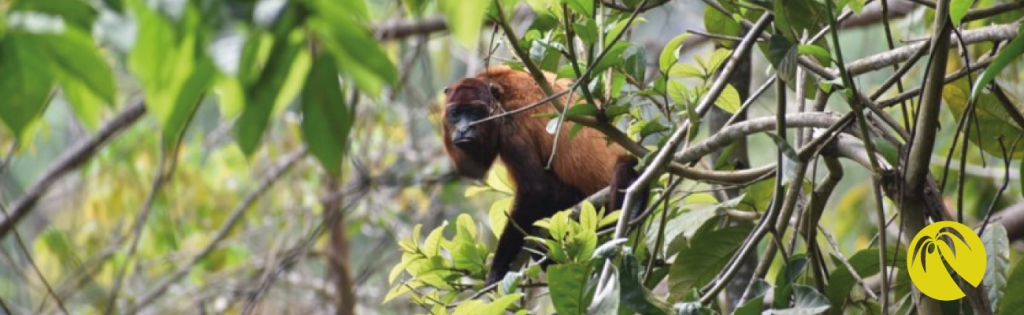
I really liked the Surinamese culture, the people are happy with what they have, and have a relaxed and friendly attitude. In addition, the food was also fantastic! Suriname has a good inspection service, which checks the quality of the food being sold. In addition, the Public Health Bureau monitors hygiene in restaurants. We cooked for ourselves most of the time, but also often went to eat roti or Surinamese noodles at a small restaurant on weekends. Whether you can drink the tap water depends a lot on where you are. In our student house, you could drink the water from the tap, in the beginning I was a bit nervous about doing this, but fortunately I didn’t get sick. In the hospital, you couldn’t drink this water and we took bottles of water ourselves.
In short, doing an internship in Suriname is an exceptional experience. The locals are very hospitable, the weather is nice and because most people there speak Dutch it makes you feel right at home.”

Shingles awareness
Dit blog is gepubliceerd op 26 februari 2023
Shingles awareness week
Everyone has probably heard about shingles, but few people know exactly what kind of disease it is and how to recognise shingles. Shingles is a severe disease, according to the Dutch Health Council (GR).
For the first time in the Netherlands, a Shingles Awareness Week will be organised from 27 February to 5 March 2023. By Samenwerkingsverband Pijnpatiënten naar één stem, International Federation on Aging (IFA), the GGD platform and GSK, awareness will be raised about shingles. The aim is to create more awareness with the following media campaign; Shingles has many faces. One in four people will have a story of their own. Share your story (at www.aandachtvoorgordelroos.nl).
In the Netherlands but also in surrounding countries, awareness is raised about the symptoms and the impact that shingles can have on a person’s life.
Because the immune system weakens as a person ages, the risk of getting shingles increases at older age. The virus that causes shingles can suddenly become active again. Anyone who has ever had chickenpox can get it. People usually recover from shingles on their own. Nevertheless, shingles can be very painful and sometimes cause nerve pain that can persist for a long time. This pain can last for months or in some cases years in the form of burning pain or tingling, or hypersensitivity to touch, heat or cold.
www.aandachtvoorgordelroos.nl provides more information about shingles and allows everyone to share their own stories. By sharing stories, shingles becomes relatable to everyone and different experiences and information can be shared.
Prevention of Shingles
A vaccine that helps prevent shingles and nerve pain after shingles is available for people aged 50 and over. This vaccine, called Shingrix, is specifically designed for people who have had chickenpox before. The vaccine contains proteins from the surface of the virus that causes shingles. The vaccine also contains a number of substances that boost the immune system’s response to the virus.
Because the body is able to produce antibodies against the virus more quickly after the vaccination, the risk of developing shingles is significantly reduced. Clinical trials showed Shingrix to be 90% effective in preventing shingles in people over 50 years old. In many countries, Shingrix is widely given to elderly people aged 60+, there have been very good results with this vaccine.
Vaccination reimbursement
If you meet a number of (strict) criteria, a shingles vaccination is covered by basic health insurance. Check with your health insurance company whether the vaccination is (partially) covered.
For more information on vaccination costs, please visit our rates page.
Would you like to book an appointment for a vaccination right away? Call 085 902 03 03.